Parvovirus in Dogs
CPV or canine parvovirus is one of the most contagious and deadly viral infections in puppies. It is a DNA virus, commonly infecting young and non-vaccinated dogs. The virus is spread either through direct contact with an infected pup, or indirect contact with a contaminated object. This relentless virus usually effects the bone marrow, intestinal tract and lymphopoietic tissues. So, how does a pet owner identify parvovirus and what steps need to be taken for treatment, and future prevention? Puppies under five months and dogs who have never been vaccinated are at greatest risk for infection.
Is Parvo Airborne?
Symptoms & Diagnosis
Dogs infected by canine parvovirus start to show symptoms within 5 to 7 days of infection. Some primary signs of infection include lethargy, lack of appetite, and mild fever. As the viral life cycle progresses, dogs suffer from vomiting and severe, often bloody, diarrhea which can lead to rapid dehydration, damage to internal organs and cause septic shock. If your pup shows signs related to parvo, contact your veterinarian immediately. There are several tests to diagnose parvo according to the ASPCA. These include:
- 1Fecal ELISA: enzyme linked immunosuppressant assay
- 2PCR: polymerase chain reaction
- 3CBC: complete blood count evaluation
Fecal CPA ELISA antigen tests are the most popular test choice of veterinarians. A fecal swab is performed and results are returned within 10-15 minutes. A PCR test is also used with a fecal sample, however a definitive diagnosis takes more time to attain. CBC tests are used to measure the level of white blood cells to determine if an infection is present. This test does take longer as blood cultures likely have to be sent to an outsourced lab, taking up valuable time to initiate treatment for the virus.
Treatment of Parvovirus
Unfortunately, there is no cure for parvovirus infection in dogs, nor anti-viral treatment. The only way we can help our pets is to support them so that the body can fight off the infection on its own. According to the ASPCA, supportive care usually includes:
The best treatment for a dog with parvovirus is a broad spectrum antibiotic. The most common antibiotics used include ampicillin, cephalexin, and fluoroquinolones.
How to Prevent Parvovirus Infection
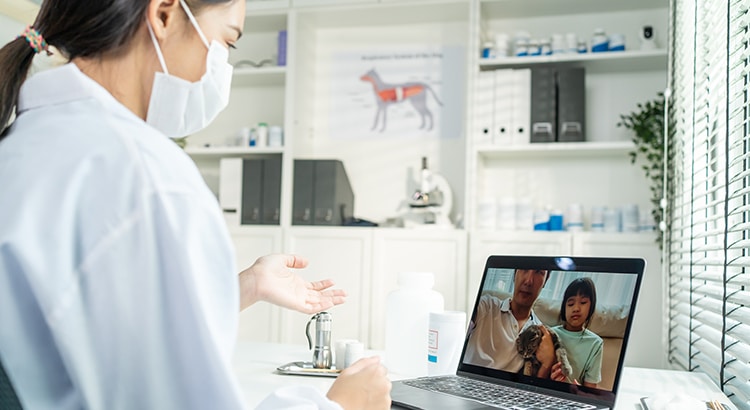
Vaccination is the only way to prevent parvo infection. A combination vaccine like DHPP, DAPP, DA2PP and DHLPP are administered to protect pups against the virus. It is one of the core vaccines which is given in every 3 to 4 weeks until the age of 16 weeks. Make sure the boosters are timed appropriately and avoid taking your dog to public places until he/she is fully vaccinated. If you are a member of our Pin Paws Plus or Pin Paws Pet Care programs, you have access to Pin Paws Virtual Vet (24/7 pet Telehealth). Pet parents that suspect their pet may be infected with the virus can speak to a veterinarian for advice, prior to scheduling a visit to the ER vet or routine clinic and receive education on when further intervention is necessary. Contact us today or visit our website to receive more information.
Parvovirus FAQs
Is parvo airborne? No. Parvovirus does not travel through the air. It spreads through contact with infected feces or with contaminated surfaces, objects, hands, clothing, and even a dog’s fur and paws. The virus is hardy and can survive in the environment for months, which is why thorough cleaning matters.
What antibiotic is used for parvo? Parvo is a virus, so antibiotics do not kill it. Vets prescribe them to control the secondary bacterial infections that set in once the virus damages the intestinal wall. Broad spectrum options a veterinarian may choose include ampicillin, cephalexin, amoxicillin, and fluoroquinolones. Only give antibiotics under veterinary direction and dosing.
What is the best medicine for parvo in dogs? There is no cure or antiviral drug for parvo. The most effective treatment is supportive hospital care: IV fluids for dehydration, anti-nausea medication, pain control, antibiotics for secondary infection, and nutritional support while the immune system fights the virus. Starting care early makes the biggest difference.
Can a dog survive parvo? Yes. With prompt, aggressive veterinary treatment, the survival rate can reach around 90%. Left untreated, parvo is often fatal, so contact your vet the moment you suspect it. Members of Pin Paws Pet Care can also reach a vet 24/7 through Pin Paws Virtual Vet for guidance on when to head to the ER.